The Thrill of the Game
One of the primary reasons people are drawn to casinos is the thrill that comes with gambling. The excitement of placing a bet and the anticipation of winning can create an adrenaline rush that many find intoxicating. When players step into the vibrant atmosphere of a casino, filled with flashing lights, sounds of chimes and cheers, and the buzz of fellow gamblers, they experience an unparalleled rush that can be difficult to replicate in everyday life. For those who prefer to enjoy gaming from home, finding the best online pokies can offer a similar exhilarating experience, making the risk seem worthwhile.
Moreover, games of chance like slots, poker, and roulette offer both the element of skill and randomness, allowing participants to feel a sense of control over their fate. Many believe that their strategies or choices can improve their odds, which adds a layer of engagement to the experience. Whether it’s calculating the odds in poker or simply choosing the right slot machine, players enjoy the challenge, often overshadowing the inherent risks involved. For many, these aspects transform gambling from a mere pastime into an exhilarating adventure.
On the psychological front, the thrill of a potential jackpot can temporarily overshadow the stark realities of loss. People often focus on the stories of big wins rather than the numerous losses that occur. The casino culture promotes a narrative of success that can make the risks appear more like opportunities. This mindset can lead to a cycle of playing, as the potential for a big win becomes a tantalizing lure, motivating individuals to return time and again despite the possible consequences.
The Social Aspect of Casinos
Casinos are often seen as social hubs where individuals can gather for entertainment and camaraderie. The social environment encourages interaction among players, fostering a sense of community and shared experience. Many patrons enjoy the communal aspect of gambling, whether it’s cheering for a friend at the blackjack table or sharing stories over drinks between rounds. This social experience can enhance the enjoyment of gambling, transforming a solitary activity into a collective adventure.
Additionally, casinos frequently host events, tournaments, and promotional activities that further enhance social engagement. People flock to these venues not only to gamble but also to participate in functions that allow them to meet new people and connect with friends. For many, the casino becomes a social destination that offers not just gambling but a variety of entertainment options, making it an attractive place to spend time.
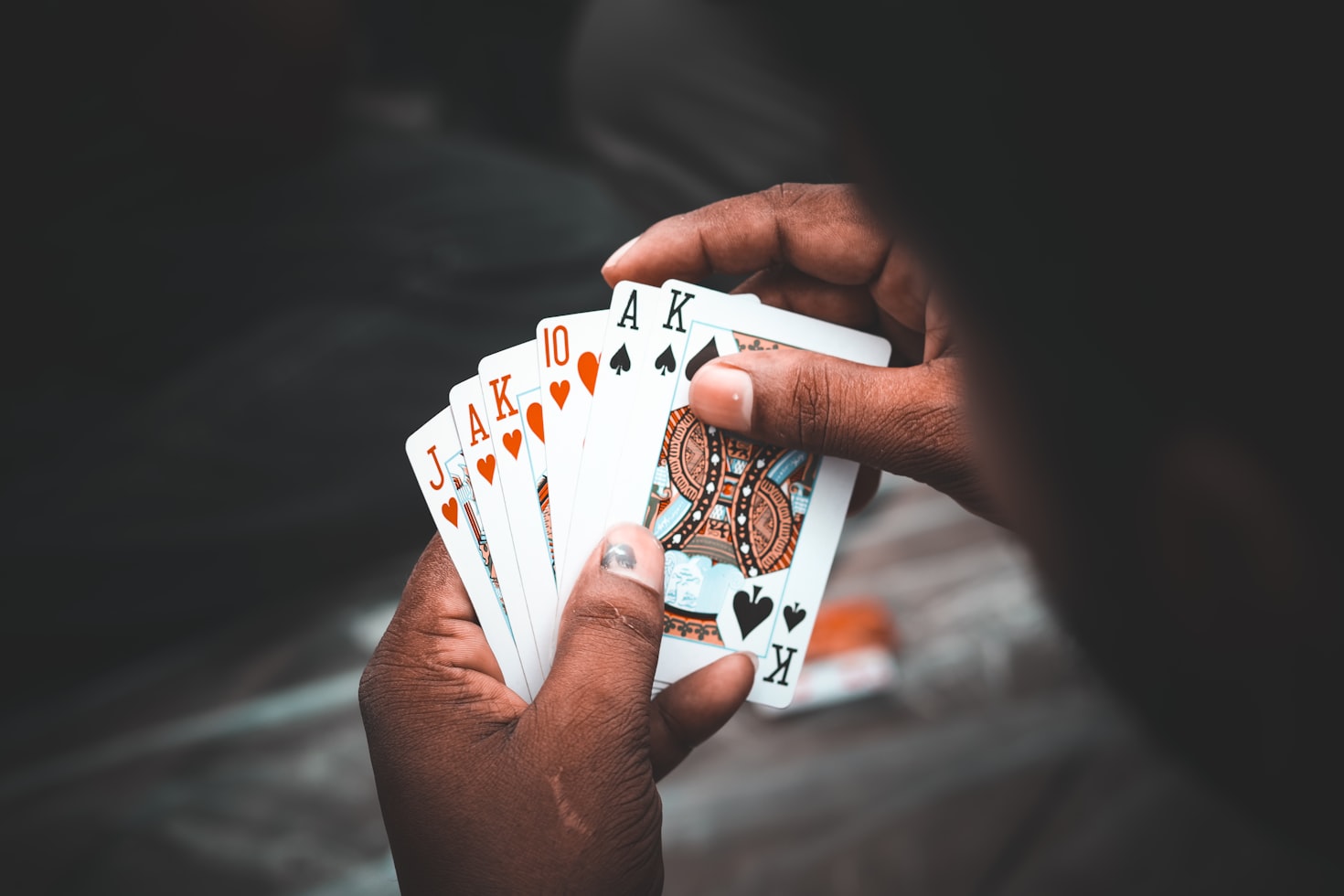
The allure of meeting others and forming relationships adds to the appeal of casinos. The shared experiences of celebrating wins or lamenting losses can forge bonds among players. This social dynamic often makes individuals more willing to overlook the financial risks associated with gambling, as the joy of community can outweigh the potential downsides. In essence, the social aspect of casinos is a significant driving force behind their popularity.
The Illusion of Control
Many gamblers subscribe to the illusion of control, believing that their choices can influence outcomes in games of chance. This psychological phenomenon allows players to feel empowered while engaging in gambling activities. For instance, a poker player may believe that their skill and experience give them the upper hand, creating a false sense of security that the odds are in their favor. Such beliefs can make the risks of gambling seem less daunting and more like a challenge they can conquer.
Marketing tactics employed by casinos often play into this illusion. Promotions that highlight player wins, testimonials from successful gamblers, and strategic placement of certain games can lead individuals to believe that winning is more common than it actually is. This environment of perceived control can perpetuate gambling, as people feel encouraged to continue playing based on their past experiences, even if those experiences include losses.
The interplay between perception and reality is crucial in understanding why people continue to gamble. Even when faced with losses, the belief that one can turn things around creates a powerful motivator. This illusion can lead to repeated visits to casinos, where individuals cling to the hope of winning big, often ignoring the statistical realities of their chances. This factor alone contributes to the persistent attraction of casinos, as many find themselves drawn back, emboldened by the belief that they can control their fate.
The Escape from Reality
For many individuals, casinos provide an escape from the stresses of daily life. Gamblers often turn to these establishments seeking relief from personal, financial, or emotional challenges. The immersive environment of a casino allows patrons to momentarily forget their worries, indulging in a fantasy where fortunes can shift in an instant. This escapism can be a significant factor in why people are willing to take risks in gambling.

Furthermore, the ability to immerse oneself in the vibrant atmosphere, complete with entertainment, dining, and luxury, adds to this allure. Casinos not only offer gambling but also a complete experience that captivates the senses and draws individuals into a world separate from their reality. This diversion can be especially appealing to those facing hardships, making gambling a tempting outlet for relief.
However, this escape can be a double-edged sword. While it may provide short-term relief, the long-term consequences can lead to financial strain and emotional distress. Despite this reality, the initial appeal of casinos as an escape often outweighs the potential for negative outcomes, contributing to the ongoing popularity of these venues. Many individuals prioritize immediate gratification over assessing the long-term risks, leading them to frequent casinos for a temporary reprieve from their daily lives.
Exploring Responsible Gaming
As awareness of the risks associated with gambling grows, the importance of responsible gaming becomes paramount. Casinos and gaming organizations are increasingly advocating for strategies to help players stay in control of their gambling habits. This includes implementing self-exclusion programs, providing resources for gambling addiction, and promoting responsible gaming practices. These efforts aim to balance the thrill of gaming with an understanding of its risks, helping individuals make informed decisions.
Education plays a crucial role in responsible gaming. By raising awareness about the signs of problem gambling and encouraging players to set limits on their spending and time, casinos strive to create a safer environment. Many casinos now incorporate measures such as offering information on odds and probabilities, further empowering players to make educated choices. This proactive approach helps individuals recognize when they might need to take a step back and assess their gaming habits.
Ultimately, while the allure of casinos may stem from excitement, social connections, and the illusion of control, the need for responsible gaming cannot be overstated. As the industry continues to evolve, the emphasis on maintaining a safe gaming environment for all players is essential. This focus on responsible practices ensures that individuals can enjoy their experiences while being mindful of the potential risks associated with gambling.